
British Prime Minister Keir Starmer on Monday pledged to "call time" on what he called a failing social media system, ahead of an expected announcement banning children under 16 from major platforms.
His proposals are reportedly set to go further than Australia, which in December became the first country to impose such a ban. Restrictions on late-night scrolling for older teenagers are also expected.
What is the UK social media ban for under-16s?
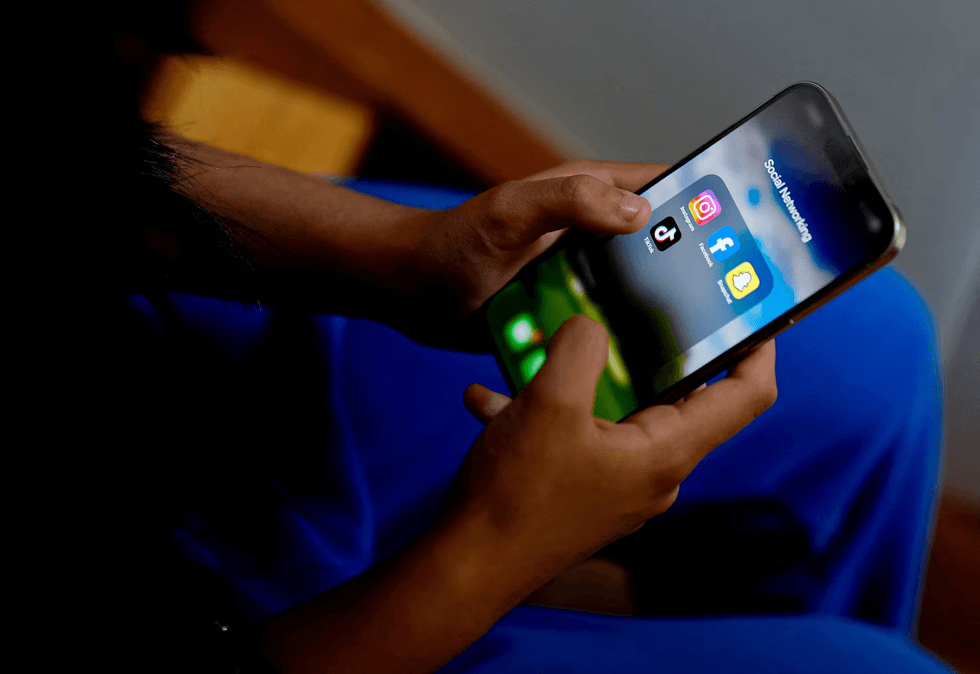
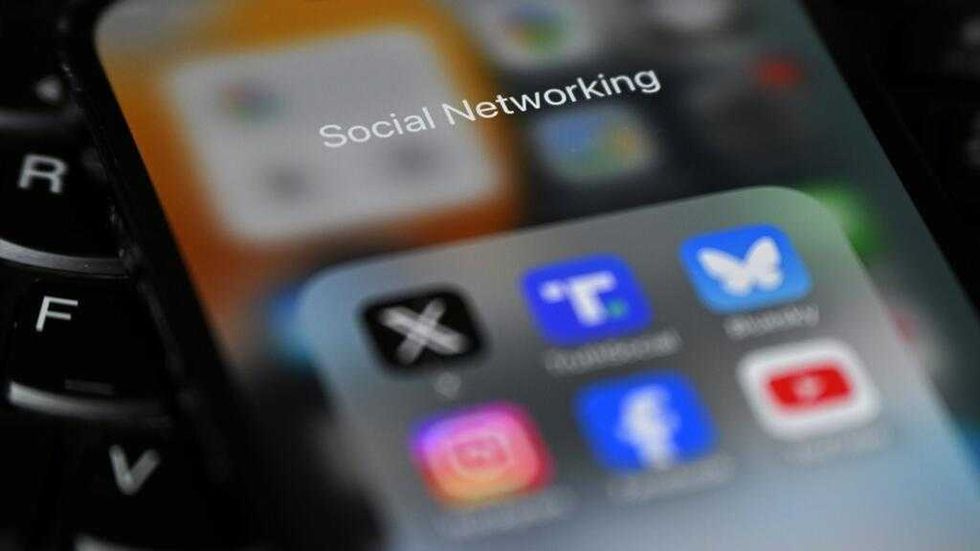
The UK is expected to introduce a total social media ban for children under 16, covering platforms such as TikTok, Snapchat and Instagram.
Measures to curb late-night app use for older teenagers are also planned. Starmer's office said he would announce "world-leading action to protect children's wellbeing online."
What did Starmer say about protecting children online?
Starmer framed the move as a choice between families and a broken status quo. "How we keep kids safe online is one of the biggest debates of our time," he said ahead of the announcement. Speaking "as a dad," he said he understood parents' anxieties and promised bold action to address them.
The announcement follows a government-led consultation in which British teenagers trialled social media bans and app time limits. The consultation closed in late May and drew around 116,000 contributions, making it the second-largest response the government has ever received. Over 83 percent of parents who responded said social media's risks outweighed its benefits for children, with 91 percent backing a minimum age of 16.
Which other countries have banned social media for under-16s?
The UK joins a growing number of countries moving to restrict children's access to social media. Canada's culture minister last week introduced the Digital Safety Act, which would ban under-16s from social media accounts and require AI chatbot services to limit harmful content.
Indonesia began enforcing its own under-16 ban in March, and several European governments have signaled similar intentions.
What other child safety measures has the UK announced?
A week before the social media ban announcement, the UK government told tech companies, including Apple and Google, to block children from sending or receiving nude images on their devices. Companies were given three months to introduce the required safety features. The government warned it would legislate if they failed to comply.
Starmer's center-left Labour government said technology companies had a "moral responsibility" to protect children from coercion, abuse and sextortion.
A law change would also restrict children's access to pornography and make it harder for abusers to target them online. Analysis by the Internet Watch Foundation, cited by the government, found that 91 percent of online child sexual abuse reports recorded in 2024 contained self-generated content from children.