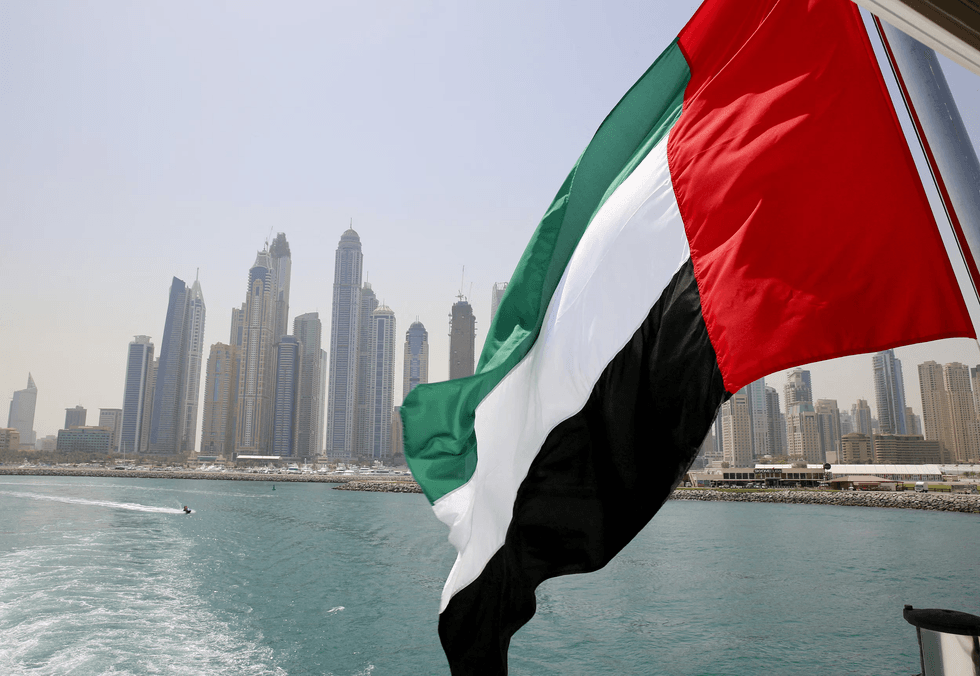

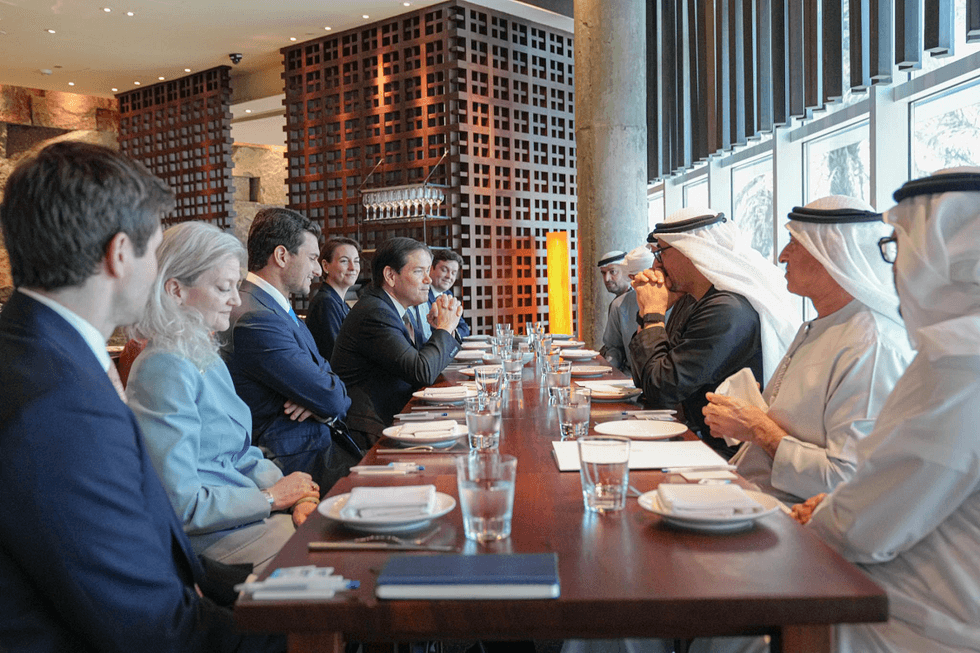
US Secretary of State Marco Rubio met UAE President Mohamed bin Zayed in Abu Dhabi on Wednesday and renewed Washington's security commitment to the Emirates.
The talks marked the first stop on Rubio's three-day Gulf tour. Discussions focused on the US-Iran agreement and safe transit through the Strait of Hormuz.
What did Rubio discuss with the UAE president?
Rubio and Mohamed bin Zayed discussed President Trump's memorandum of understanding with Iran, efforts to secure safe transit through the Strait of Hormuz, and regional stability.
Spokesperson Tommy Pigott said Rubio reaffirmed the US commitment to the Emirates' security. The meeting opened Rubio's wider Gulf diplomacy push.
The diplomatic outreach follows what officials describe as a temporary pause in US-Iran negotiations. Mediators including Pakistan and Qatar say technical-level talks are continuing. Both sides expect negotiations to resume next week.
What are the sticking points in the US-Iran talks?
Despite the launch of negotiations, major differences remain between Washington and Tehran over the scope of any future agreement. Trump has said Iran can access frozen overseas funds only to buy US food and medical supplies. He has also said Tehran agreed to allow IAEA inspections of its nuclear facilities.
Iranian officials have publicly rejected both claims. The disagreements persist as both sides enter what is expected to be a 60-day negotiating period.
How has Washington reacted to the negotiations?
The uncertainty around the talks has fueled debate in Washington. Some lawmakers have questioned the administration's handling of the conflict and its diplomatic strategy.
On Tuesday, the Republican-controlled Senate approved a largely symbolic measure calling for an end to the war. The vote was an unusual rebuke of Trump's approach from within his own party. Trump dismissed it, arguing Iran had been significantly weakened and was ready to offer major concessions.
What is happening with the Strait of Hormuz?
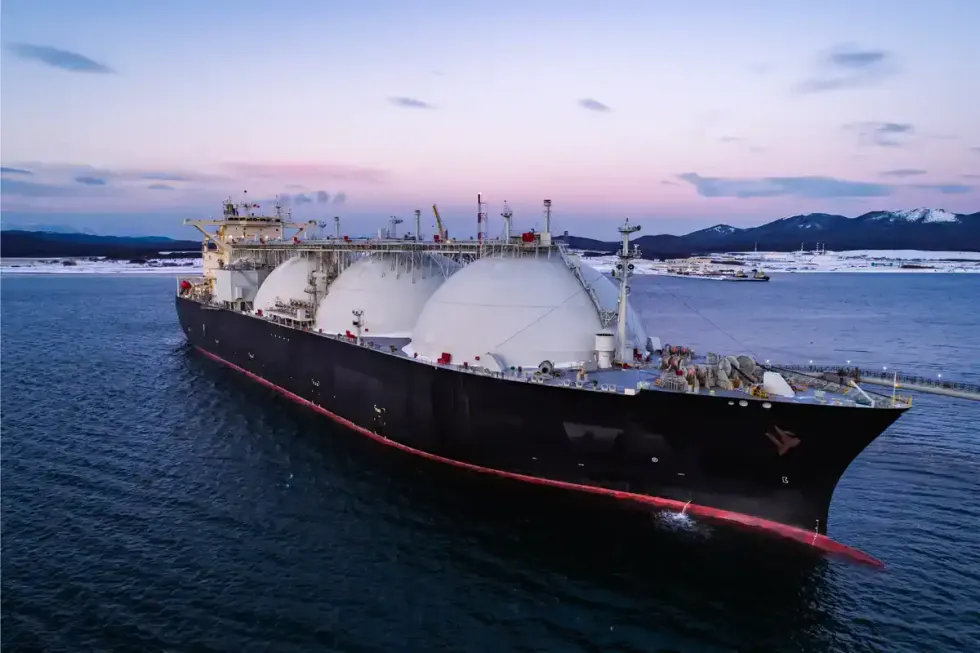
Global oil prices surged earlier in the conflict after Iran closed the Strait of Hormuz, a route that carries a large share of the world's seaborne oil trade. Iran and Oman have since announced plans to explore arrangements for managing the waterway.
Proposed transit fees have raised concerns among shipowners and traders, who warn such charges could clash with international maritime law and set a precedent for other strategic waterways.
Rubio repeated the US position that international shipping routes must stay open and accessible to global commerce. Market concerns have eased in recent days as shipping traffic through the strait gradually returns to normal. Brent crude fell about 2% on Wednesday to around $75.50 a barrel, extending its decline from conflict-era highs.
How do regional security disputes affect a lasting deal?
Iran has linked any permanent agreement with Washington to an end to hostilities involving Hezbollah in Lebanon. Israel maintains that its military presence in southern Lebanon is necessary to protect communities along its northern border. These differences have spilled into a fifth round of US-mediated talks between Israel and Lebanon, currently underway in Washington.
Israel's UN ambassador, Yechiel Leiter, said Hezbollah's disarmament and withdrawal from southern Lebanon remain fundamental requirements for progress.
How much frozen money could Iran receive?
Questions persist over the financial terms of the emerging US-Iran arrangement. Critics of sanctions relief argue released funds could help Tehran rebuild military capabilities and support regional allies.
Iran's Mehr news agency, citing Deputy Foreign Minister Kazem Gharibabadi, reported that Tehran expects $12 billion in frozen assets across two installments. US officials have not publicly confirmed the figure.