
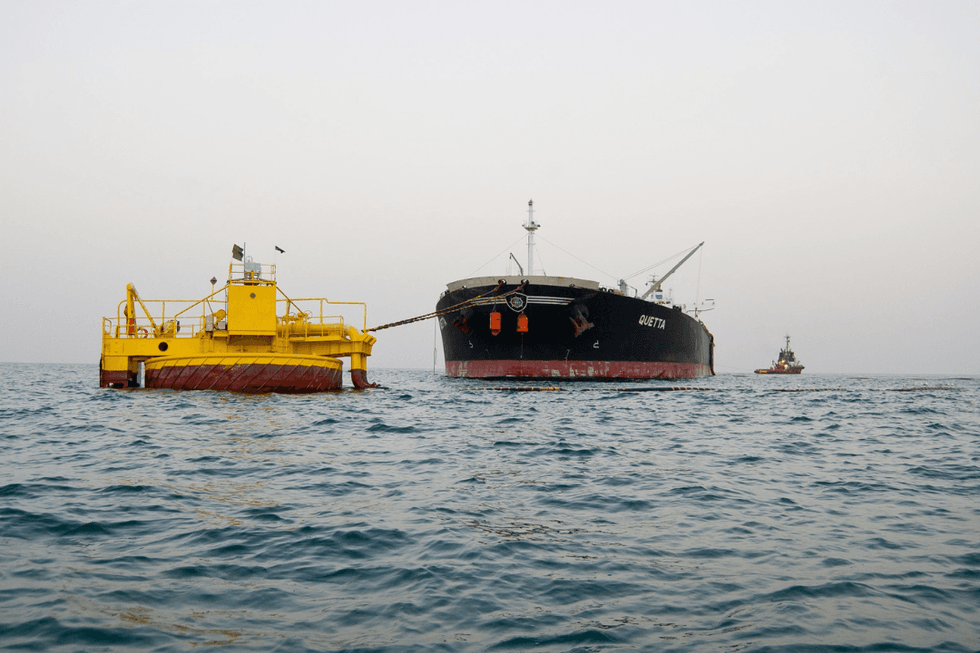
Cnergyico PK Ltd. has booked its first cargo of U.S. crude oil for fiscal year 2026-27, with the shipment expected to arrive in July, as Pakistan’s largest refinery by capacity continues efforts to diversify its crude sourcing despite challenging market conditions.
The company imported about 7.1 million barrels of U.S. crude through seven cargoes during FY26, valued at approximately USD 745 million, according to Cnergyico PK Vice Chairman Usama Qureshi.
Qureshi said the refinery had already secured its first U.S. crude cargo for FY27 and would continue pursuing a diversified procurement strategy to support Pakistan’s energy security and supply stability.
“Demand for petroleum products has remained weak over the past few months, while increased cross-border smuggling has further impacted domestic sales. These factors have constrained refinery throughput despite the availability of processing capacity,” Qureshi said.
He said refinery utilization rates across the industry have remained below potential in recent months because of subdued domestic demand and the growing impact of fuel smuggling, which has reduced local product offtake.
Despite the difficult operating environment, Cnergyico remained Pakistan’s second-largest supplier of refined petroleum products in FY25, behind Pak-Arab Refinery Company (PARCO), a refining venture jointly owned by the governments of Pakistan and the United Arab Emirates.
Qureshi also raised concerns about what he described as frequent government revisions to petroleum pricing formulas, warning that policy uncertainty was undermining the financial viability of the refining sector.
“Frequent changes in pricing formulas and the resulting uncertainty are causing significant sustainability issues for Pakistan’s refining industry. Refining is a capital-intensive business that requires long-term visibility, policy consistency and a predictable operating environment,” he said.
According to Qureshi, repeated adjustments to pricing mechanisms have weakened refinery economics, increased business risks and complicated long-term investment planning.
“The industry cannot continue to operate efficiently when pricing frameworks are altered frequently. Such uncertainty leads to financial losses for refiners, discourages investment and undermines efforts to modernize the sector,” he added.
Calling for structural reforms, Qureshi said deregulation of the petroleum market was the only viable long-term solution for the industry’s growth and sustainability.
“Deregulation is the only sustainable path forward for Pakistan’s refining sector. A market-based pricing regime will improve efficiency, encourage investment, enhance supply security and create a level playing field for all industry participants,” he said.
He added that a stable and transparent policy framework was essential to attract investment in refinery upgrades and support the long-term development of Pakistan’s energy sector.
The company’s decision to proceed with its FY27 crude procurement plans comes as Pakistan’s refining industry faces pressure from weak fuel demand, smuggling concerns and ongoing debates over petroleum pricing policies. The first U.S. crude cargo of the new fiscal year is scheduled to arrive in July 2026.